

How to Choose the Right Sleeve for a Formal Event: Sleeveless to Long Sleeve
Sleeve choice is one of those decisions that can feel deceptively small — and then turn out to be the thing that makes or breaks how comfortable you feel at an event. Too much coverage in a warm outdoor ceremony. Not enough in a cool reception room. A sleeve length that photographs beautifully but feels awkward to eat in.
The good news is that formal dressing has never offered more options. From truly sleeveless to full-length coverage, and everything in between, there is a sleeve — or absence of one — for every setting, season, and personal preference. Here is how to think through the decision.

Sleeveless: clean, versatile, and endlessly pairable
A sleeveless dress is the most versatile starting point in formal dressing. It works across the widest range of occasions, pairs naturally with cover-ups and wraps, and tends to photograph cleanly regardless of the setting.
The practical case for sleeveless is strong: you are never too warm, never restricted in movement, and the silhouette stays streamlined from every angle. For women who run warm or who are attending a summer or destination wedding, sleeveless is often simply the most comfortable option.
Where sleeveless works best:
-
Warm weather weddings and outdoor ceremonies
-
Evening events where the venue is well heated
-
Any occasion where you plan to layer a wrap or jacket for the ceremony and remove it for the reception
-
Spring and summer celebrations in lighter fabrics like chiffon or crepe
The only consideration worth noting: if the venue is a church or a more conservative setting, a cover-up or wrap is the easy solution — keep it in the same fabric weight as the dress so it reads as part of the look rather than an addition.

Cap sleeve: a little coverage, a lot of polish
A cap sleeve — the small, fitted sleeve that covers just the top of the shoulder — is the quietest upgrade from sleeveless. It frames the shoulder without covering the arm, adds a small amount of warmth, and gives the dress a slightly more finished look in photographs.
Cap sleeved dresses tend to suit women who want a touch of coverage without committing to a longer sleeve. They work well at both daytime and evening events and suit a wide range of necklines, from scoop and square to bateau.
Where cap sleeves work best:
-
Semi-formal and cocktail events
-
Daytime weddings where full sleeves would feel heavy
-
When you want the ease of sleeveless but prefer not to bare the upper arm entirely

Flutter sleeve: movement, femininity, and natural grace
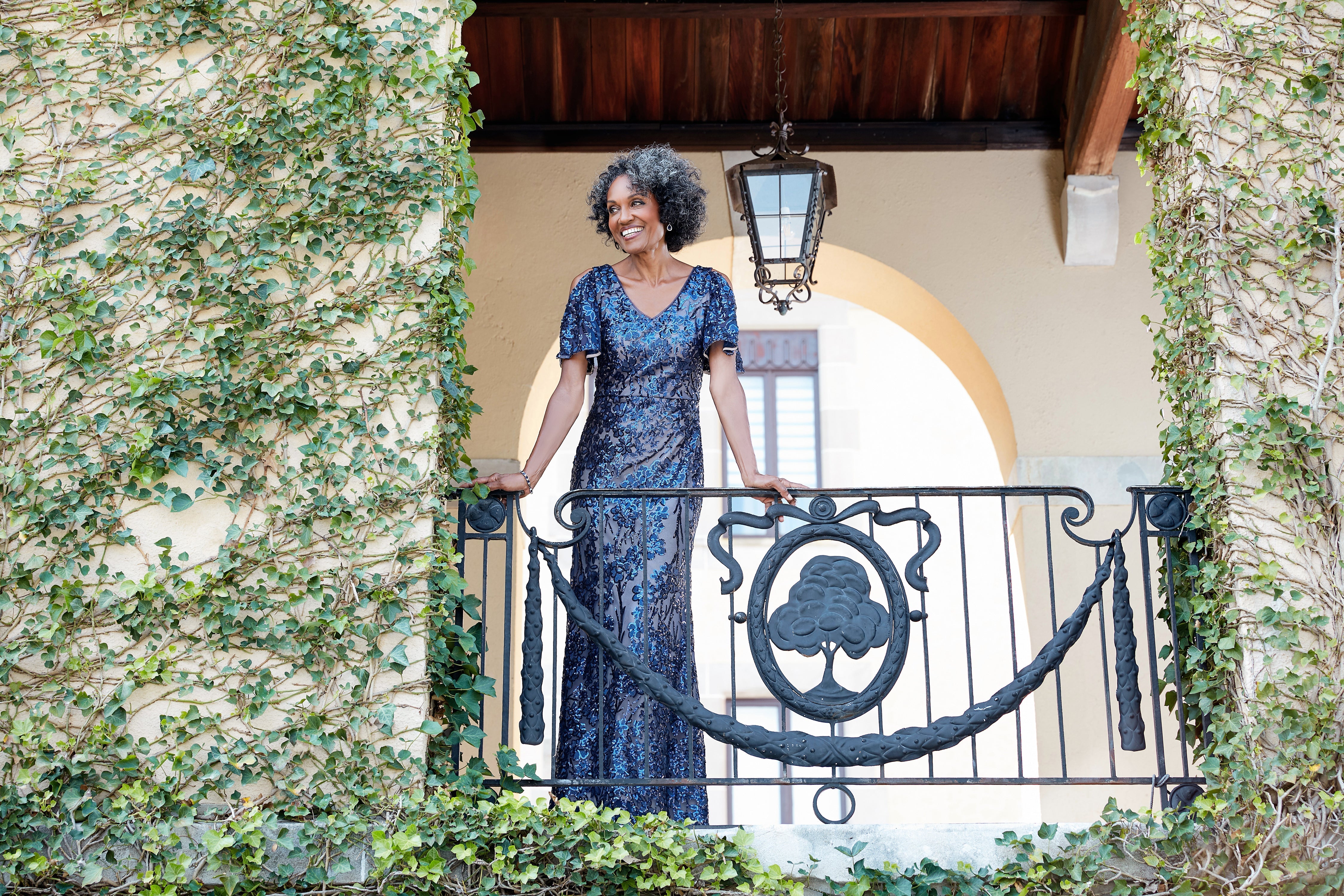
The flutter sleeve is one of the most flattering options across a wide range of body types. It skims lightly over the upper arm, creates soft movement as you walk, and adds a romantic, feminine quality to any silhouette without adding visual weight.
Flutter sleeved dresses work particularly well in lighter fabrics — chiffon, georgette, soft crepe — where the flutter has genuine movement. In heavier fabrics the same detail can stiffen, so fabric matters here more than with most sleeve styles.
Where flutter sleeves work best:
-
Garden weddings and outdoor ceremonies
-
Spring and summer events
-
When you want coverage over the upper arm with a light, airy feel
-
Destination weddings and beach settings where the atmosphere calls for ease and movement

Short sleeve: effortless and appropriate for almost any occasion
A short sleeve — typically falling to just above or at the elbow — offers meaningful coverage without any of the weight of a longer option. It is one of the most practical sleeve choices for formal events, balancing modesty with comfort across a wide temperature range.
Short sleeve dresses work from daytime through evening and suit almost every level of formality. A short sleeve in a refined fabric — stretch lace, chiffon overlay, embellished knit — reads as deliberate and polished rather than casual.
Where short sleeves work best:
-
Weddings across spring, summer, and autumn
-
Any event where you anticipate temperature variation between ceremony and reception
-
When you want coverage without restriction
-
A natural choice for mother of the bride looks where comfort across a long day matters

Three-quarter sleeve: the most universally flattering option
If there is one sleeve length that works across the widest range of occasions, body types, and seasons, it is the three-quarter sleeve. It hits between the elbow and the wrist, covers the part of the arm that most women prefer to keep covered, and stops short of the wrist — which means it photographs cleanly, does not interfere with jewelry, and is comfortable to wear while eating and dancing.
Three-quarter and long sleeved styles are consistently among the most sought-after options in formal dressing, and it is easy to see why. The sleeve adds a sense of occasion to a look that a cap or short sleeve does not quite achieve, while remaining wearable across a much wider range of settings than a full-length sleeve.
Where three-quarter sleeves work best:
-
Autumn and winter weddings
-
Evening events where a full-length sleeve might feel heavy
-
Mother of the bride and wedding guest looks where comfort across a long event is a priority
-
When you want the refinement of sleeve coverage without warmth

Long sleeve: evening elegance and winter occasions
A long sleeve dress carries a particular formality that suits black tie events, evening galas, and winter weddings exceptionally well. There is something about a well-cut long sleeve in a luxe fabric — velvet, heavy crepe, stretch lace — that communicates intention and elegance in a way that shorter options do not.
Long dresses with sleeves are a natural choice for cooler months and formal settings, and they eliminate the need for any cover-up or wrap entirely. The sleeve is the statement.
Where long sleeves work best:
-
Black tie and evening formal events
-
Autumn and winter weddings
-
Venues that tend to run cool — ballrooms, churches, historic properties
-
When you want a complete, fully covered look that requires no layering
One nuance worth knowing: the fabric of the sleeve changes the character of the look considerably. A long sleeve in sheer mesh or illusion fabric reads differently from the same length in opaque stretch lace. Illusion dresses with sheer long sleeves offer the visual warmth and coverage of a full sleeve while feeling significantly lighter to wear — a useful distinction for events that go long into the evening.
Dresses with sleeves: a note on fit across sizes
Whatever sleeve length you choose, proportion matters. A sleeve that is cut for a standard length torso will land differently on a petite frame — and the difference in where a three-quarter sleeve falls can be significant.
For women 5'4" and under, dresses with sleeves cut for petite proportions ensure the sleeve hits at the right point. A three-quarter sleeve designed for a taller frame can end up looking like a long sleeve on a smaller one, which changes the entire character of the dress.
Similarly, for plus size women, sleeve fit through the upper arm is often where standard sizing falls short. Plus size evening dresses account for this — the sleeve is cut with room to move comfortably without pulling across the back or shoulder.
A quick guide by occasion
Still deciding? Here is a simple reference:
-
Black tie evening wedding: Long sleeve or three-quarter sleeve in a luxe fabric
-
Formal evening gala: Long sleeve, three-quarter, or sleeveless with a refined cover-up
-
Autumn or winter wedding: Three-quarter or long sleeve; consider illusion fabric for a lighter feel
-
Spring garden ceremony: Flutter sleeve, cap sleeve, or sleeveless
-
Summer outdoor wedding: Sleeveless or flutter sleeve; keep a light wrap for the ceremony
-
Daytime cocktail event: Short sleeve, cap sleeve, or three-quarter
The rule underneath all of these: the sleeve should feel as good as it looks. If you are adjusting it, tugging at it, or thinking about it during the event, it is not the right choice — regardless of how beautiful it looked in the fitting room.

Leave a comment
This site is protected by hCaptcha and the hCaptcha Privacy Policy and Terms of Service apply.