

Petite and Plus Size Formalwear Fit Tips: How to Find Your Most Flattering Silhouette
Formal events are meant to feel joyful, but the search for the “right” dress can easily turn into a chore if you are petite, or plus size. Standard sizing often assumes one set of proportions, and most of us do not fit that mold.
The good news: once you understand how length, proportions and fabric work on your frame, it becomes much easier to spot pieces that feel like they were made for you. These tips are here to help you find silhouettes in petite evening dresses and plus size evening dresses that actually work with your body, not against it.
1. Start with proportions, not just size
Size is only one part of the story. Proportions are where the real fit magic happens.
-
Petite usually means 5'4" and under. The distance between your shoulder and waist is shorter, your rise is often shorter, and full-length hems sit differently.
-
Plus size can mean more shape through the bust, waist, hips or all three. You may also carry your curves differently (fuller tummy, fuller hips, broader shoulders, etc.).
Petite styles are cut with shorter waists, higher knee points and hems that sit where they are supposed to. Petite long dresses are designed so you are not drowning in fabric, while petite wedding guest outfits take into account where necklines, sleeves and proportions land on a smaller frame.
For plus sizes, the right cut gives you shaping where you want it and ease where you need it. Plus long dresses and plus size wedding guest dresses usually have more thoughtful bodice construction, better bust support and room across the hips without losing structure.

2. Silhouette tips for petite formalwear
If you are petite, the aim is balance: you want the dress to complement your height, not shorten it.
-
Keep the eye moving vertically
Clean seams, gentle princess lines and uninterrupted color help create length. A subtle V-neck or softly scooped neckline draws the gaze upwards. -
Choose hemlines deliberately
Full-length gowns can be stunning as long as they are cut for your height. Petite long dresses are already scaled so you do not lose your shoes or trip on the hem. Tea-length and just-below-the-knee styles are also flattering, especially for daytime events. -
Watch scale and detail
Very large prints or oversized embellishments can overwhelm a smaller frame. Pieces with finer lace, smaller sequins or softer draping tend to feel more harmonious. -
Use jackets and layers carefully
A cropped or waist-length layer will usually be more flattering than something that cuts across the widest part of the hips. Petite jacket dresses are designed with this in mind, so the jacket and dress work together instead of adding bulk.

3. Silhouette tips for plus size formalwear
For plus sizes, comfort and confidence are just as important as the outline of the dress.
-
Lean into structure where it helps
Bodices with darts, seams and soft inner support can feel more secure than very stretchy, unstructured styles. Look for designs that define your waist gently without digging in. -
Try fit-and-flare and A-line shapes
These silhouettes balance the body by skimming over the midsection and hips. They work beautifully in plus long dresses and cocktail lengths alike. -
Consider a higher waist seam
Empire or raised-waist styles can be very flattering if you prefer more ease over the tummy and hips. The key is to avoid anything that cuts directly across the fullest part of the bust. -
Use layers to your advantage
A softly tailored layer can add polish without hiding the dress. Plus size jacket dresses are designed so the jacket opens in a way that keeps the vertical line visible, which is kinder to your proportions than a boxy blazer.

4. Sleeves, straps and coverage that actually feel good
Coverage is personal. The most flattering option is the one you forget about once it is on.
-
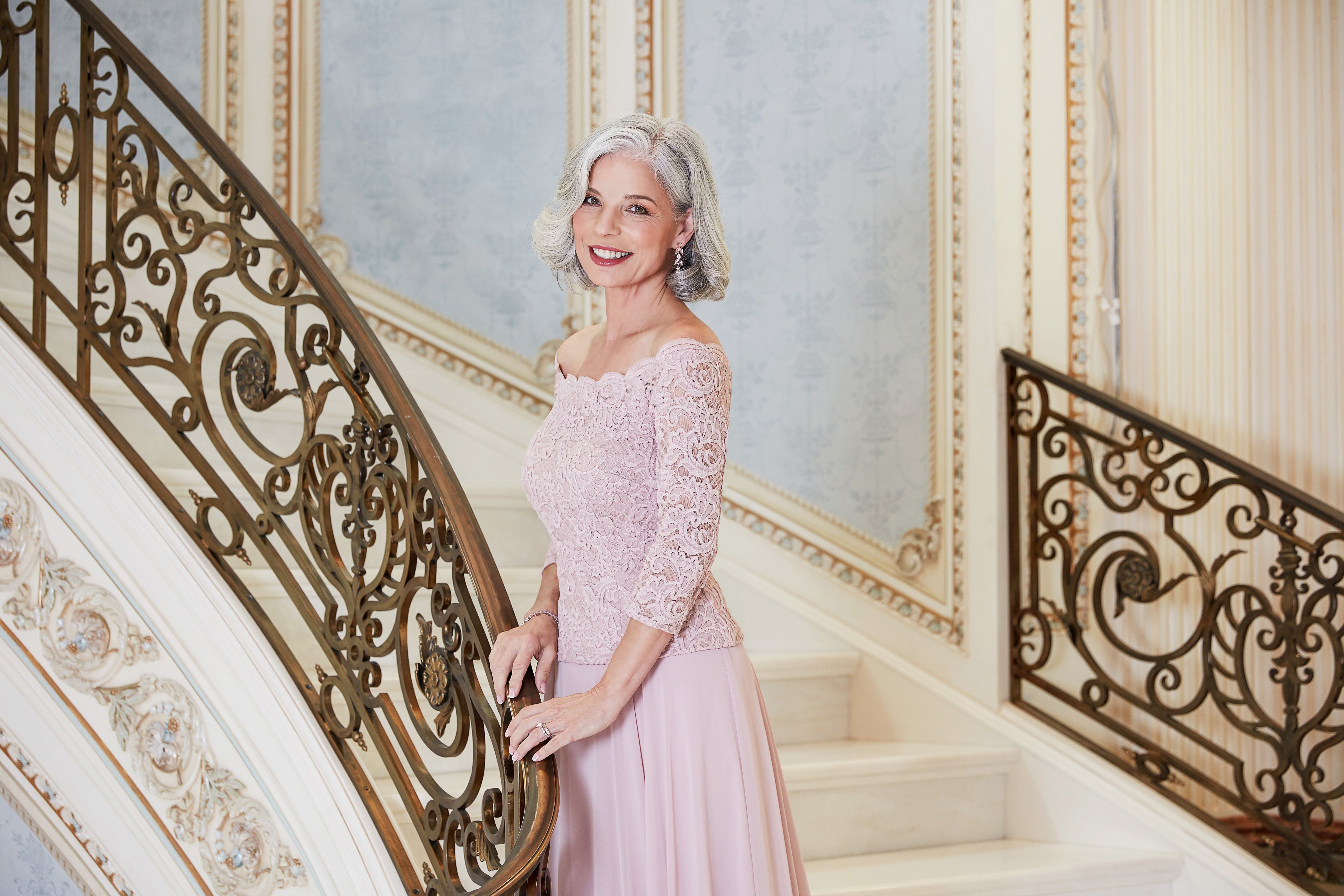
If you like arm coverage, three-quarter sleeves, sheer sleeves or soft flutter sleeves are often kinder than tight short sleeves. They allow movement and air while still feeling dressed.
-
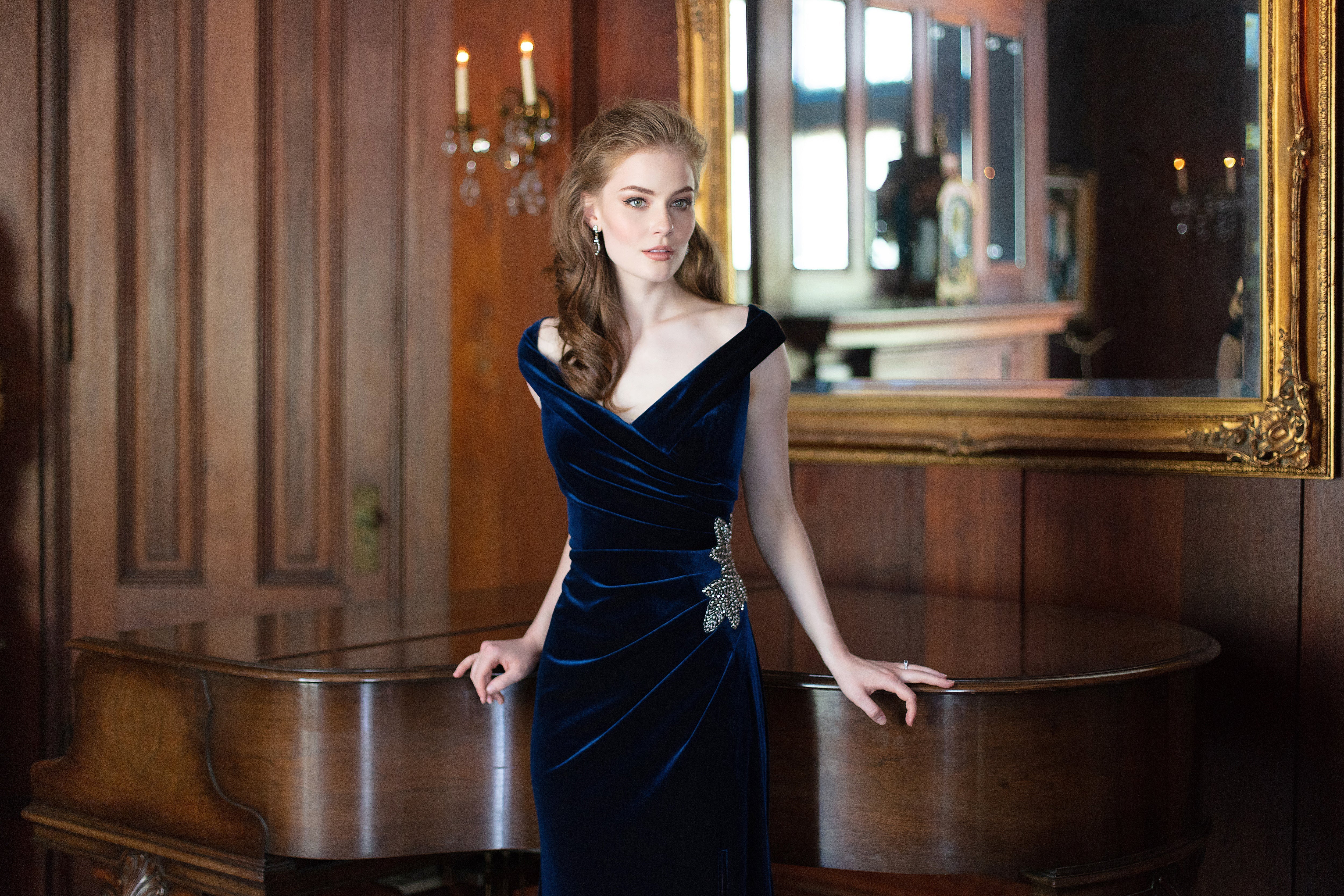
If you prefer bare shoulders, look for wider straps or off-the-shoulder styles that sit securely so you are not adjusting them all night. Petite and plus cuts will place those straps in the right spot so they do not slip.
When you try anything on, lift your arms, sit down, hug an imaginary guest. If you are not fussing with sleeves or straps, the coverage is working.

5. Fabrics that flatter
The right fabric can make as much difference as the cut.
-
Chiffon
Light and floaty, lovely for overlays and skirts that move without adding bulk. Ideal if you like softness over the hips and thighs. -
Stretch jersey and crepe
Offer a bit of give with a smoother finish. These are great when you want comfort, subtle shaping and fewer wrinkles. -
Lace
Adds texture and romance. Petite frames usually suit finer patterns, while plus sizes can handle slightly bolder motifs, especially when the lace is backed by a smooth lining. -
Velvet
Beautiful for cooler-weather events. The pile adds richness and depth, which works especially well in jewel tones. -
Sequin dresses
A little shine goes a long way. Look for placements that highlight areas you love (neckline, shoulders, sleeves) without covering the whole dress if you prefer something subtler.
The test is always the same: can you move, sit and walk without the fabric pulling, clinging or feeling heavy.
6. When tailoring is worth it
Even with petite and plus specific cuts, a small adjustment can take a dress from “good” to “this feels like it was made for me.”
Simple alterations that are usually worth considering:
-
Shortening a hem so it lands at the most flattering point for your height
-
Adjusting straps so the bodice sits exactly where it should
-
Nipping in or releasing the waist slightly for comfort
If everything else feels right — the fabric, the colour, the overall shape — do not be afraid to factor in a minor alteration. It is often the difference between a dress you tolerate and one you truly enjoy wearing.
7. Bringing it all together
Finding formalwear as a petite or plus size woman is not about changing your body to fit a dress. It is about choosing a dress that respects the body you have now.
Start with proportions, then think about silhouette, coverage and fabric. Explore cuts designed specifically as petite evening dresses or plus size evening dresses so the groundwork is already done for you.
When you can stand in front of the mirror, take a deep breath, move around and feel like yourself — supported, comfortable and a little bit excited — you have found your most flattering silhouette.

Leave a comment
This site is protected by hCaptcha and the hCaptcha Privacy Policy and Terms of Service apply.